November 10th, 2026 | Blog
A Masterclass in Hospitality. Velvet’s adventures in Moldova
Author: Nele Volbrück
The Velvet team had the good fortune to travel to Moldova for work. We came back with a heap of experiences and plenty to share.
Siim Kera (of TULI*, of course) told me to write something that read more like a lively travelogue, not the usual diplomatic cooperation-and-gratitude slop about how we came, we saw, we bonded. Something people might actually enjoy reading. So here goes.
*The article was originally published at the Estonian Marketing Association portal.
Let’s get the basics out of the way
“Wait, what were you even doing there? What was it like, how did it go, did you enjoy it, what were the people like, and the prices? What do people earn over there?”
The truly curious can turn to Google or their AI search engine of choice, naturally, but here’s a quick introduction.
The Republic of Moldova borders Romania to the west and Ukraine to the north, east and south. No coastline whatsoever. It’s smaller than Estonia in area (33,844 km²), but has considerably more people (2.38 million, not counting the millions (!) who have emigrated).
Romanian is spoken in Moldova, and alongside Moldovans, the country is home to many different peoples: Romanians, Ukrainians, Gagauz, Russians, Bulgarians and Roma. The notorious Transnistria is also part of Moldova.
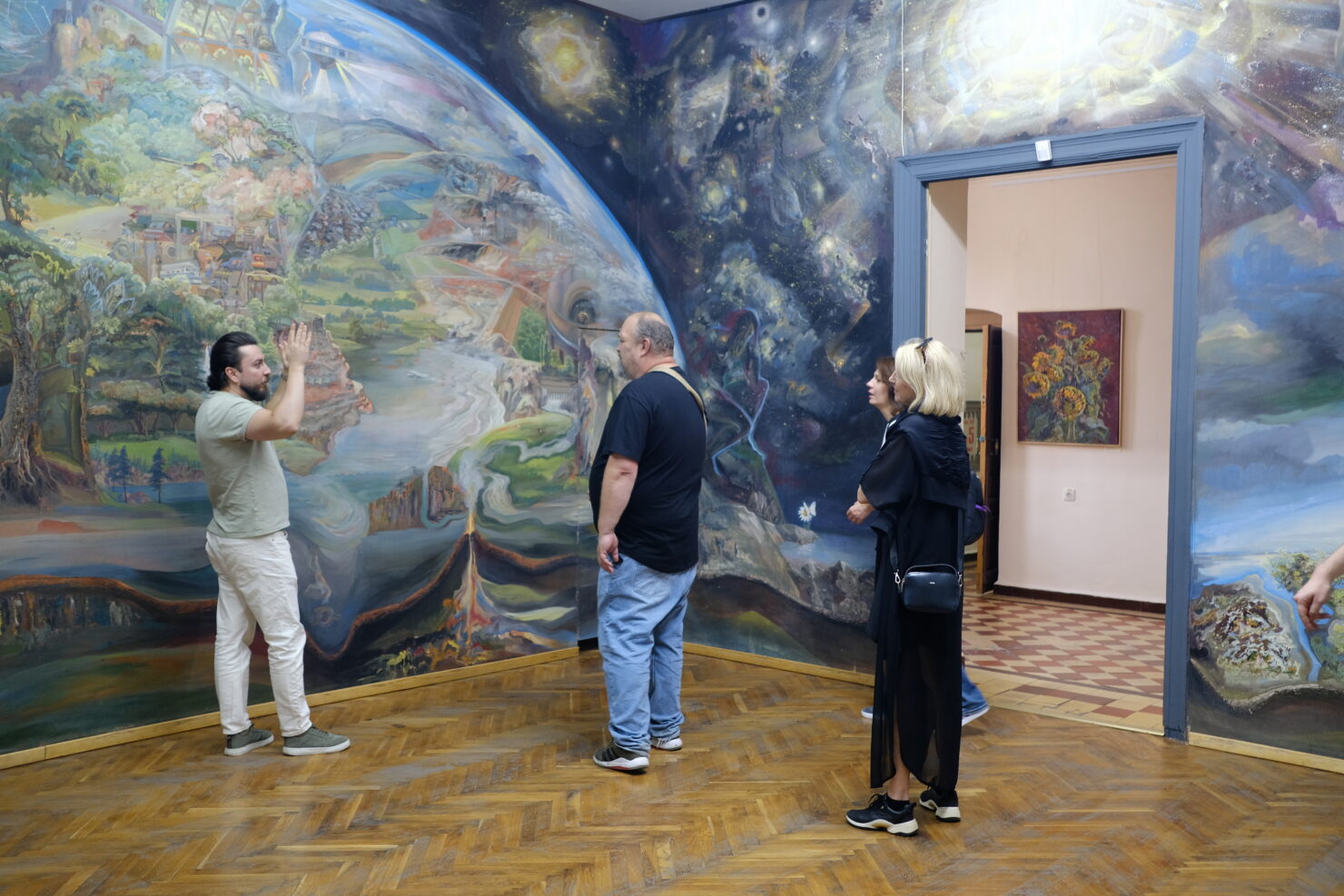
Music fans may know Moldova through O-Zone’s “Dragostea Din Tei”, probably its biggest export after wine. Fun fact: his mother is apparently a local TV star, known to several generations as a children’s TV presenter.
Anyway. Moldova wants to look to the future and be part of Europe, including the European Union, though not everyone there feels that way. We also learned that Moldova’s middle class is small. There are poorer people and wealthier people. Wages at the lower end are apparently around €300 a month. But I’m not planning to get deep into politics, so let’s talk about the people instead.
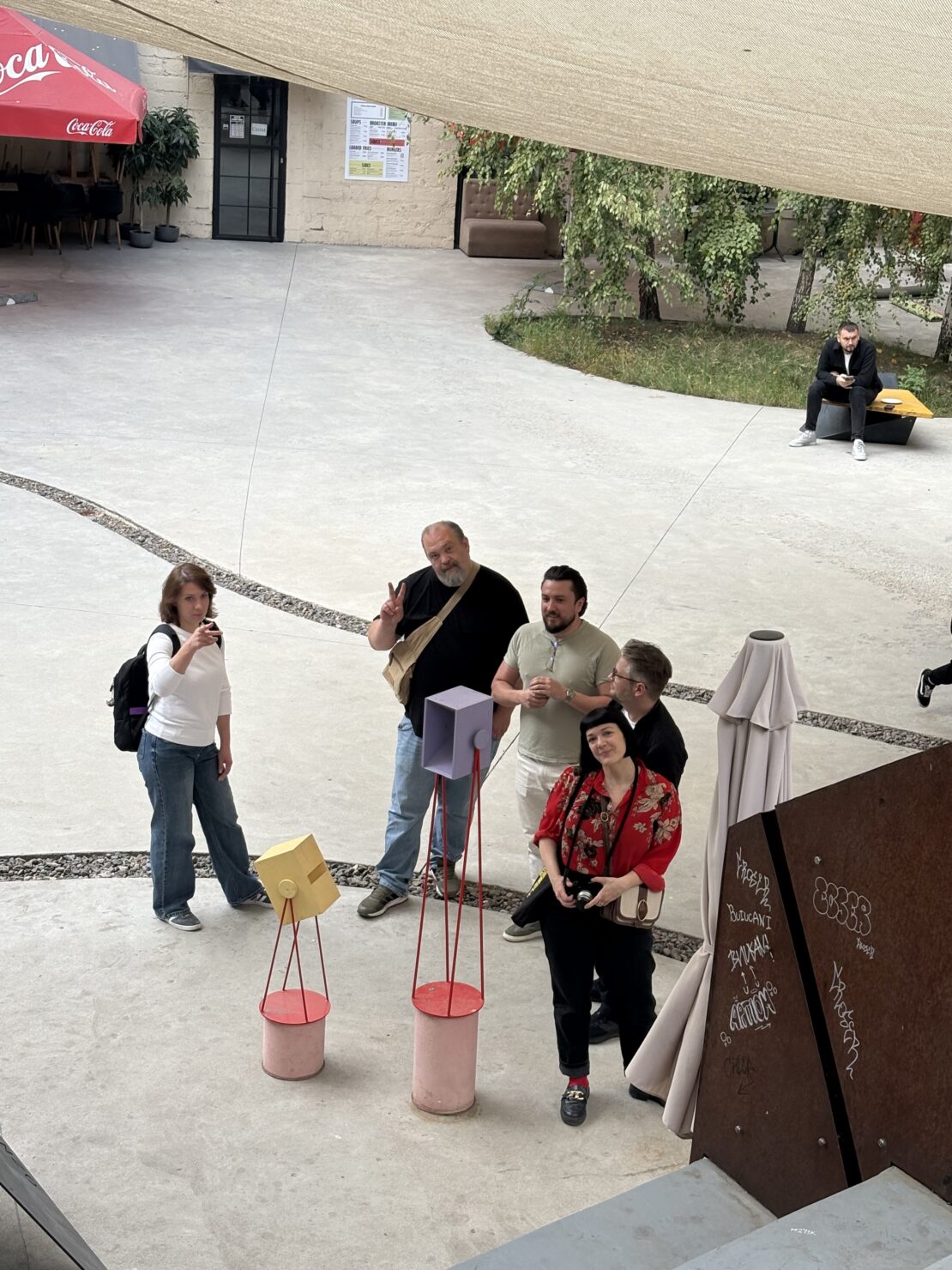
Nice try, but you haven’t actually answered those questions
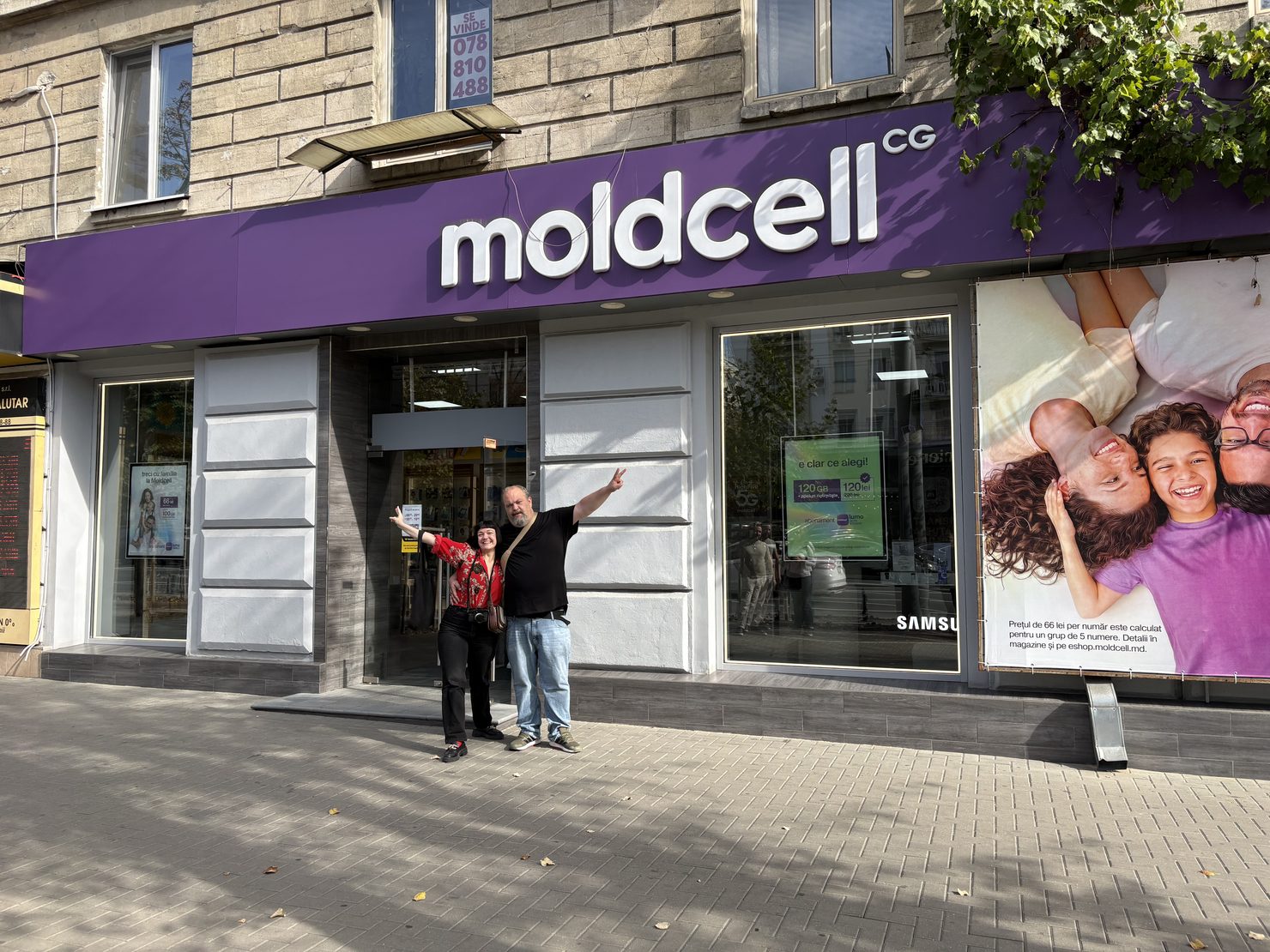
Right, what were we doing there? Our hosts were Moldcell, one of Moldova’s leading telecom companies. They offer internet services, mobile plans, various devices and plenty more to keep life running smoothly. We’re currently working on something extremely exciting and substantial with them.
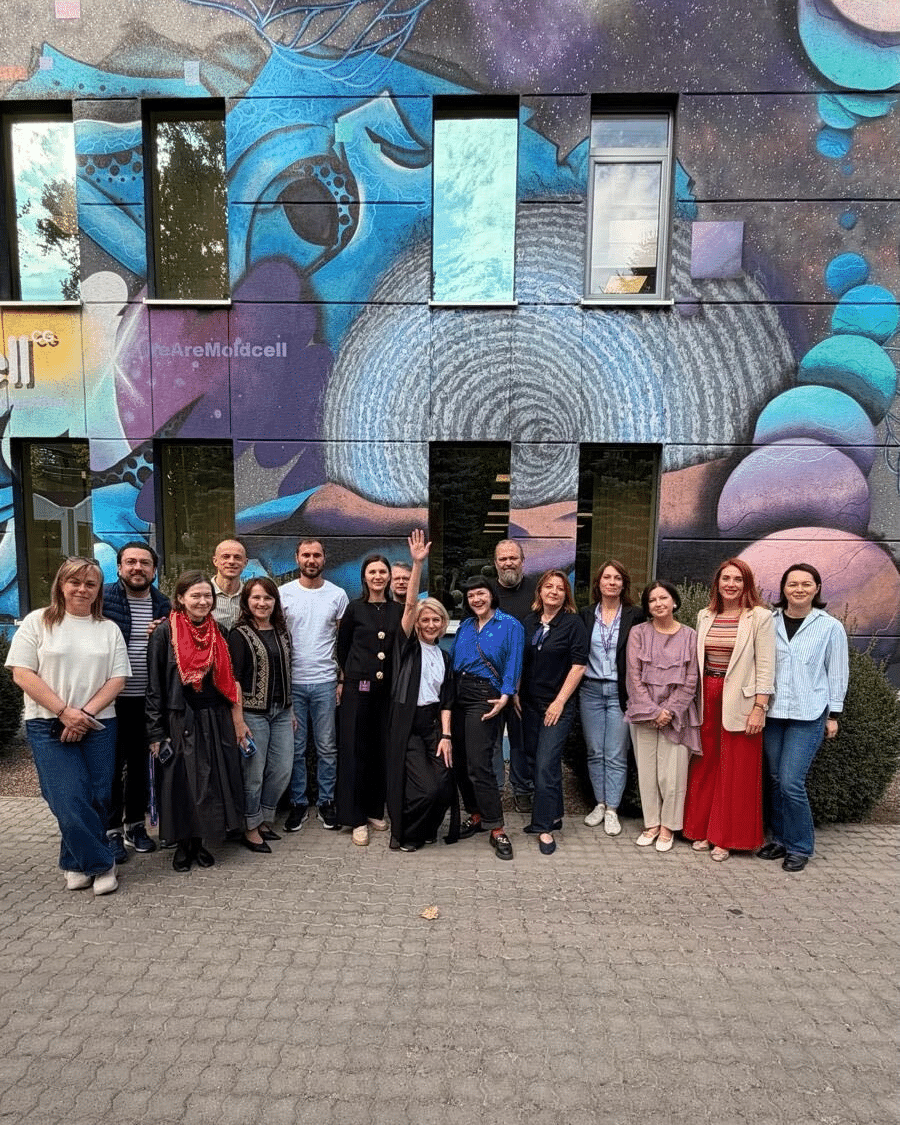
To get a better feel for the local people and way of life, going there and experiencing it ourselves was the only sensible thing to do.
We’ll reveal what comes of it all when the time is right. Stay tuned, and to make sure you don’t miss anything, I warmly recommend following Velvet on social media.
The experience is difficult to put into words. Let’s go with “amazeballs”! Warm, fascinating, intense and real. Even our hosts joked that while visiting delegations are usually shown the polite highlights and views you’d find under “Moldova” in an encyclopaedia, we were thrown straight into the thick of life and its contrasts. Exactly what we wanted.
Extremes, for better and for worse
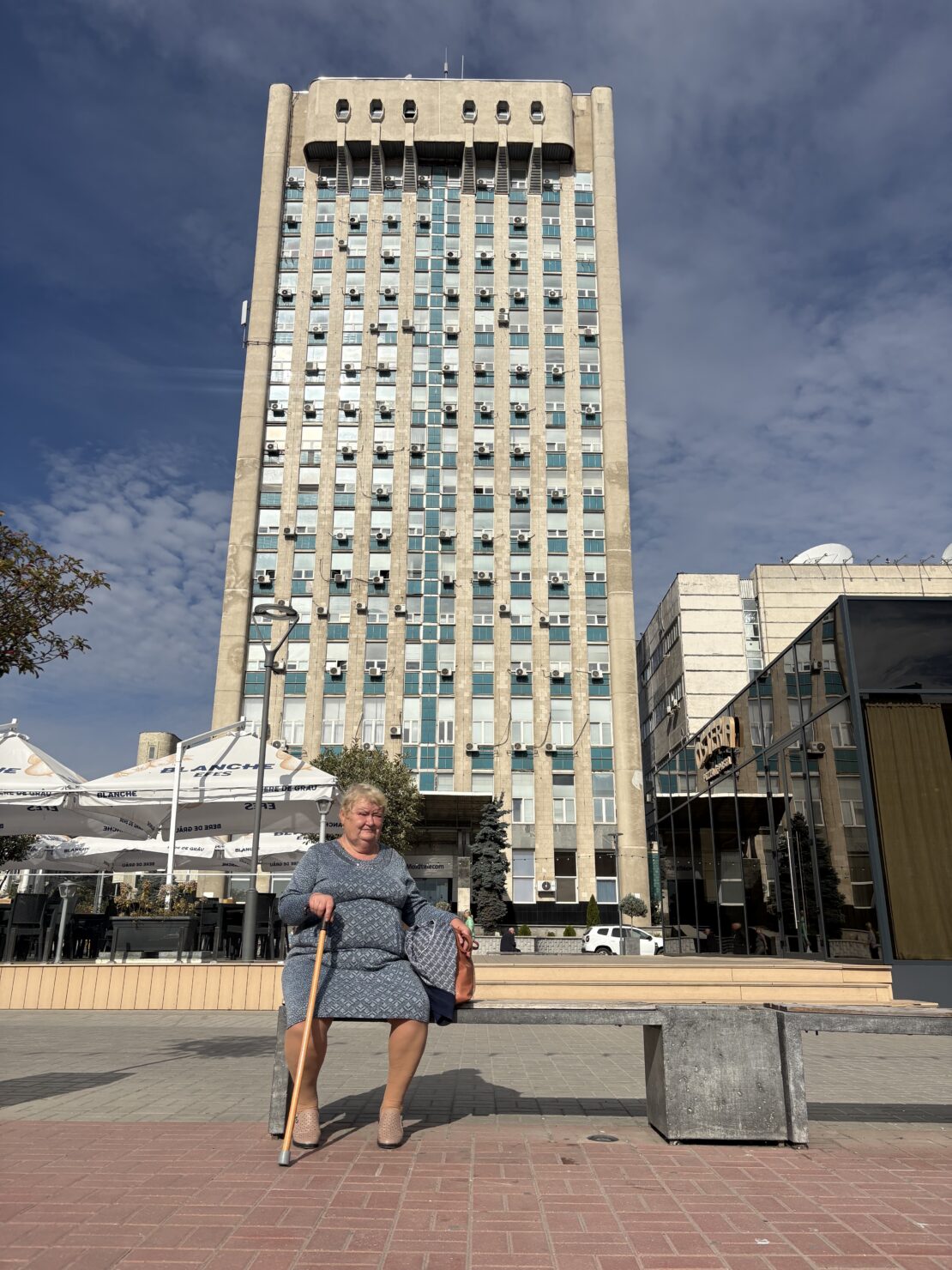
Those contrasts were visible in the streets, too. There were quite a few colossal buildings. Not ornate, baroque affairs, but brutalist slabs of concrete swallowing up almost an entire city block. Most of the large buildings stretched out rather than up.
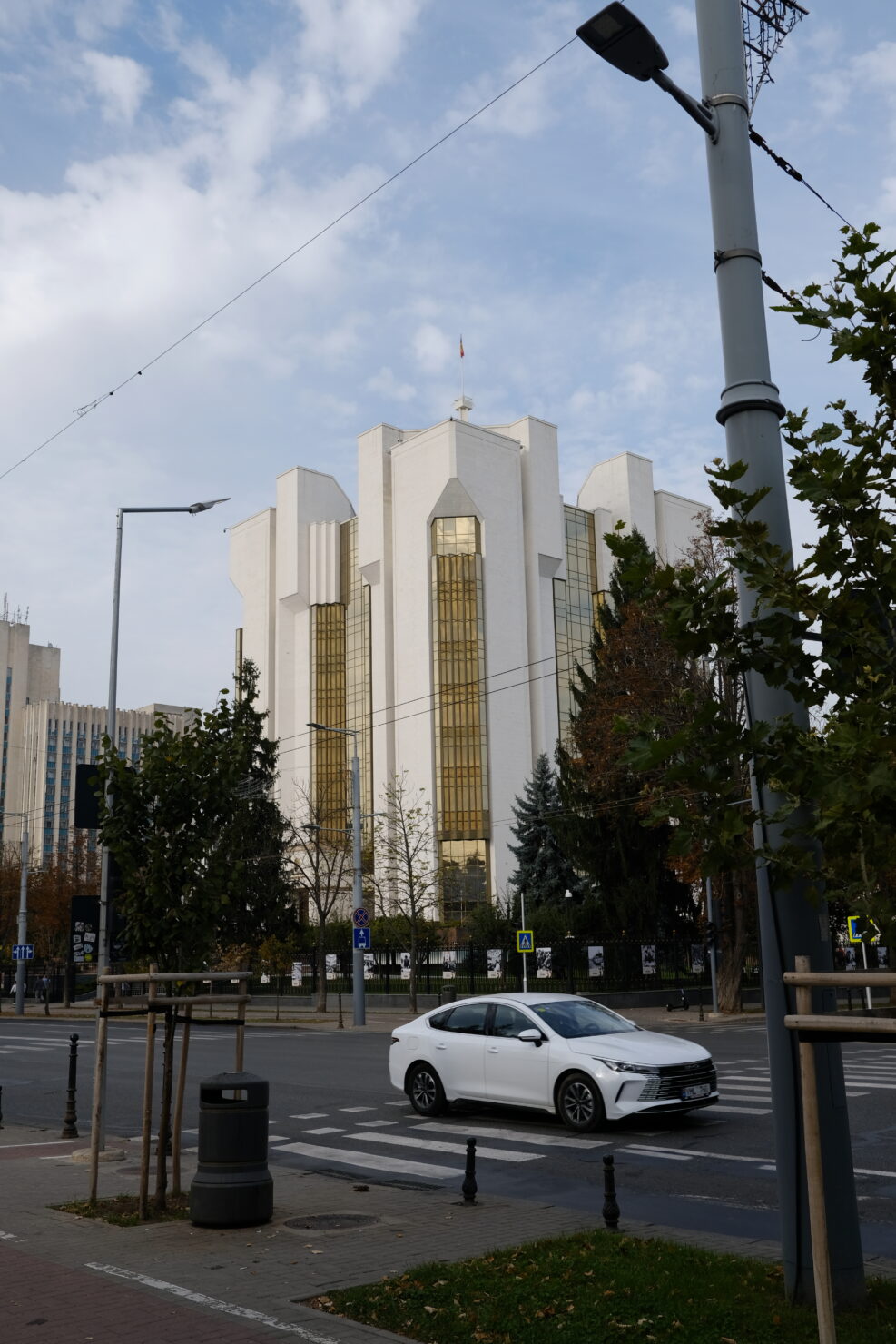
Moldova’s presidential palace stood apart: golden, angular and tall.
A building where power isn’t the subtext, it’s the headline.
(Side note: SOS, that is not an AI sentence, I swear. I barely dare use those “not this, but that” constructions anymore.)
The streets of colossi were stitched together with empty, dilapidated stone houses, imposing fences, Soviet-era apartment blocks and kitschy fields of artificial flowers. Apparently, the mayor’s a fan.
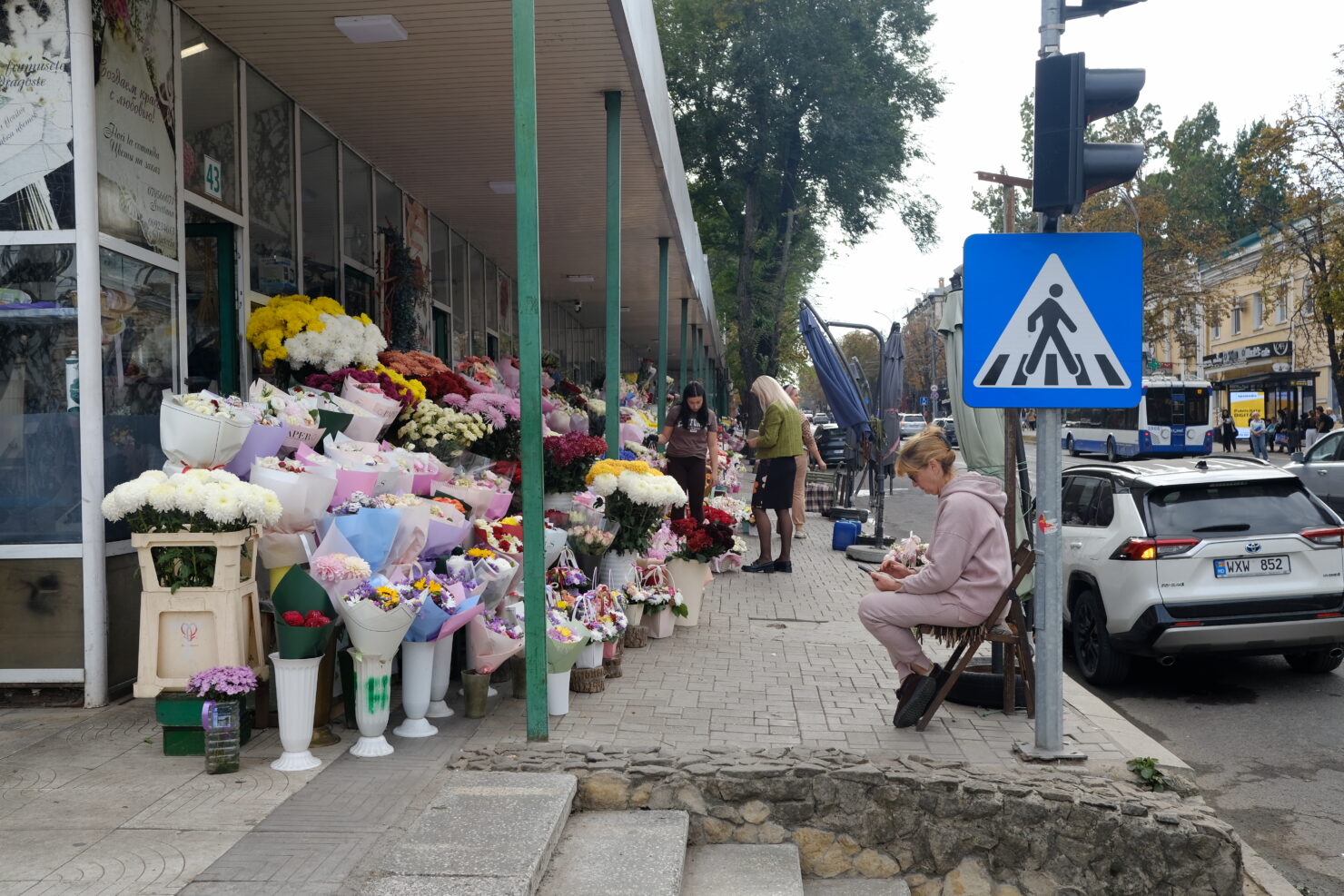
Chișinău’s central market offered a spatial experience that was retro in its own way, yet buzzing with very here-and-now energy. It’s a place many locals have mixed feelings about. For older generations, its variety, affordable prices and human touch offer a sense of security; younger people would rather break free of that rough-around-the-edges legacy.
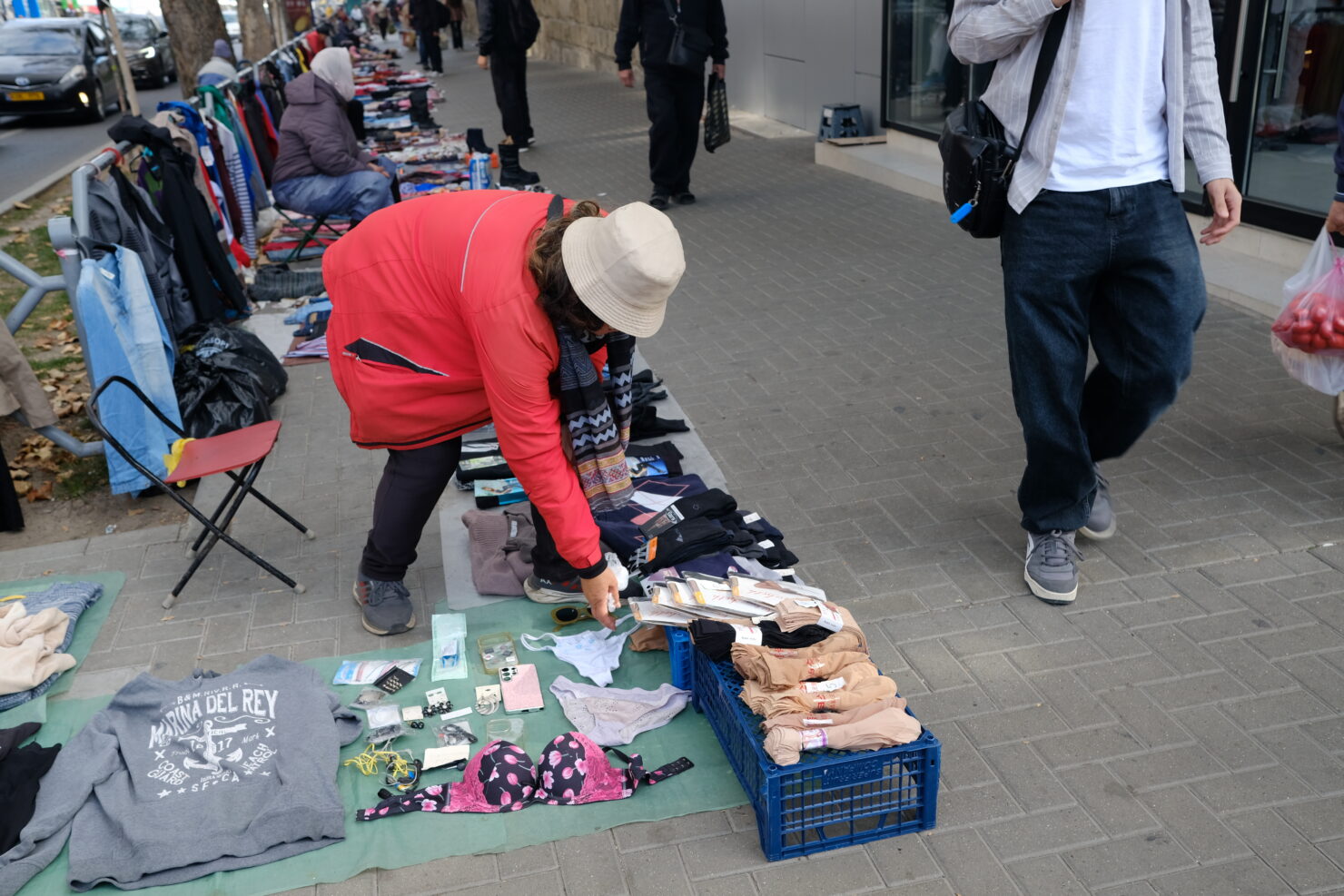
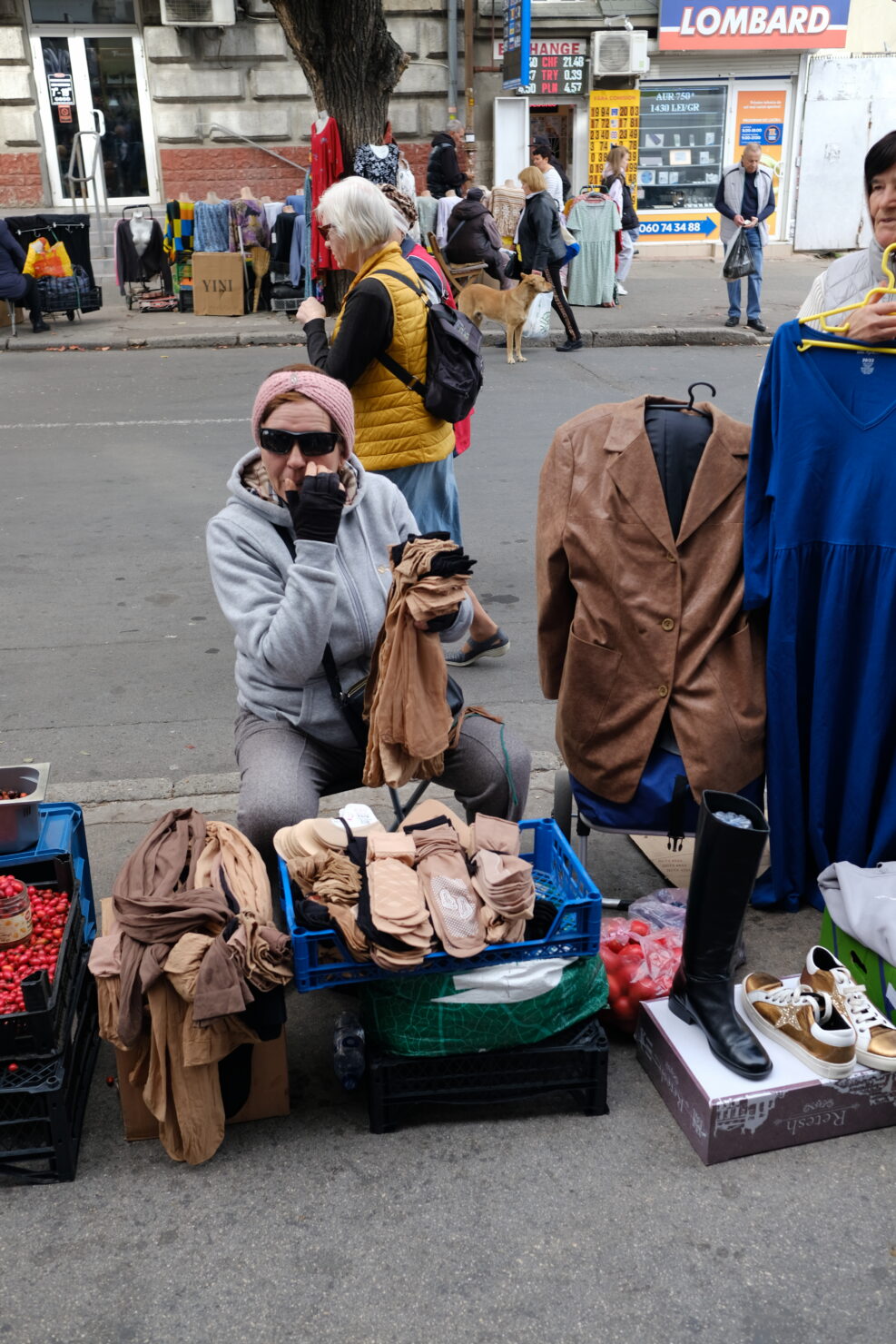
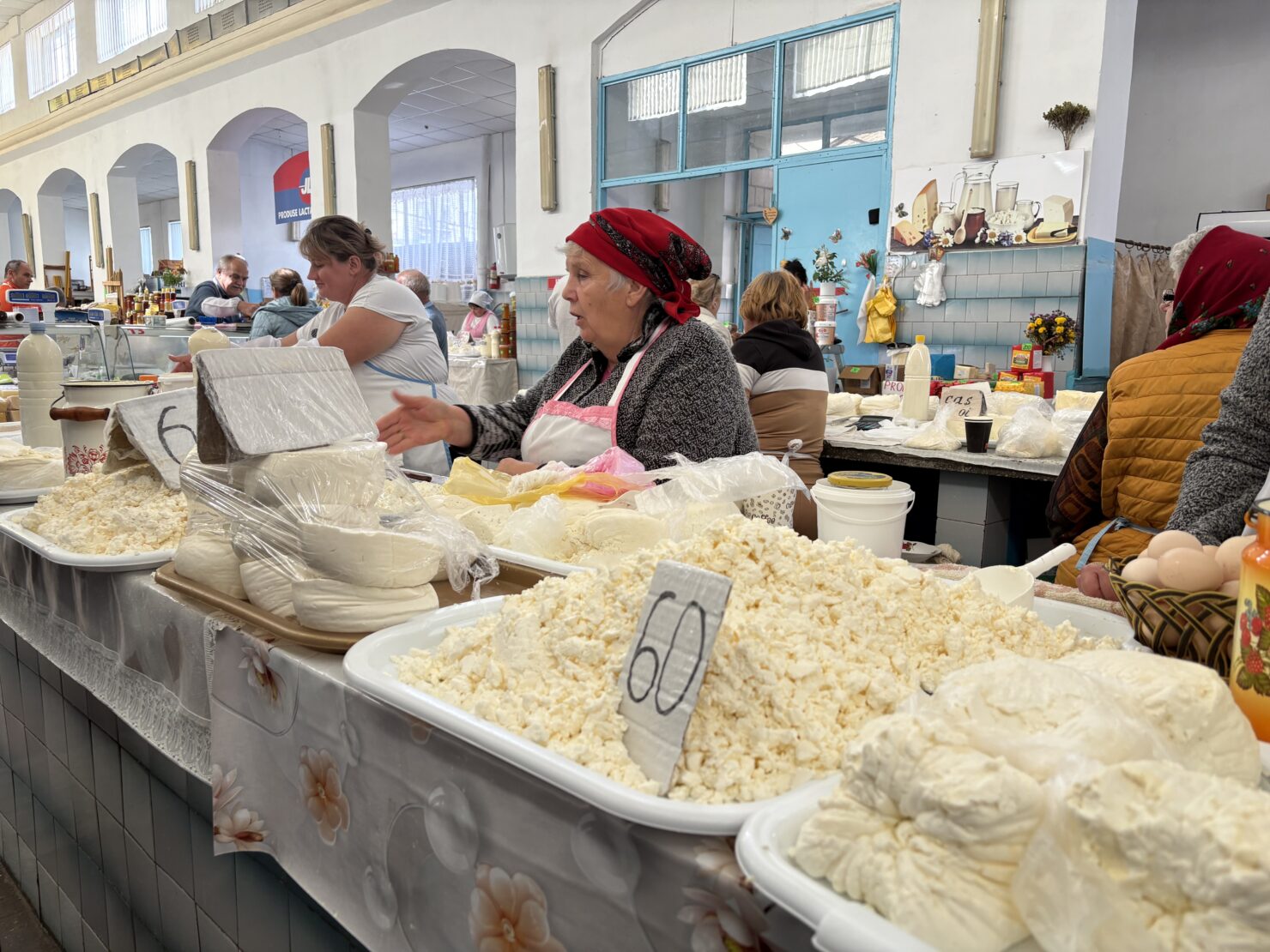
For Estonians, none of it felt particularly alien. Colourful stalls selling everything from underwear to cat food. Vast halls where ladies offer you cheeses to taste. Little kiosks piled upon little kiosks. What really stood out was that most of the goods on display seemed local (I don’t actually know), rather than anonymous Chinese tat à la phone cases and slime balls.
There was plenty to see and discover, and I want to stress: it was fascinating, not off-putting.
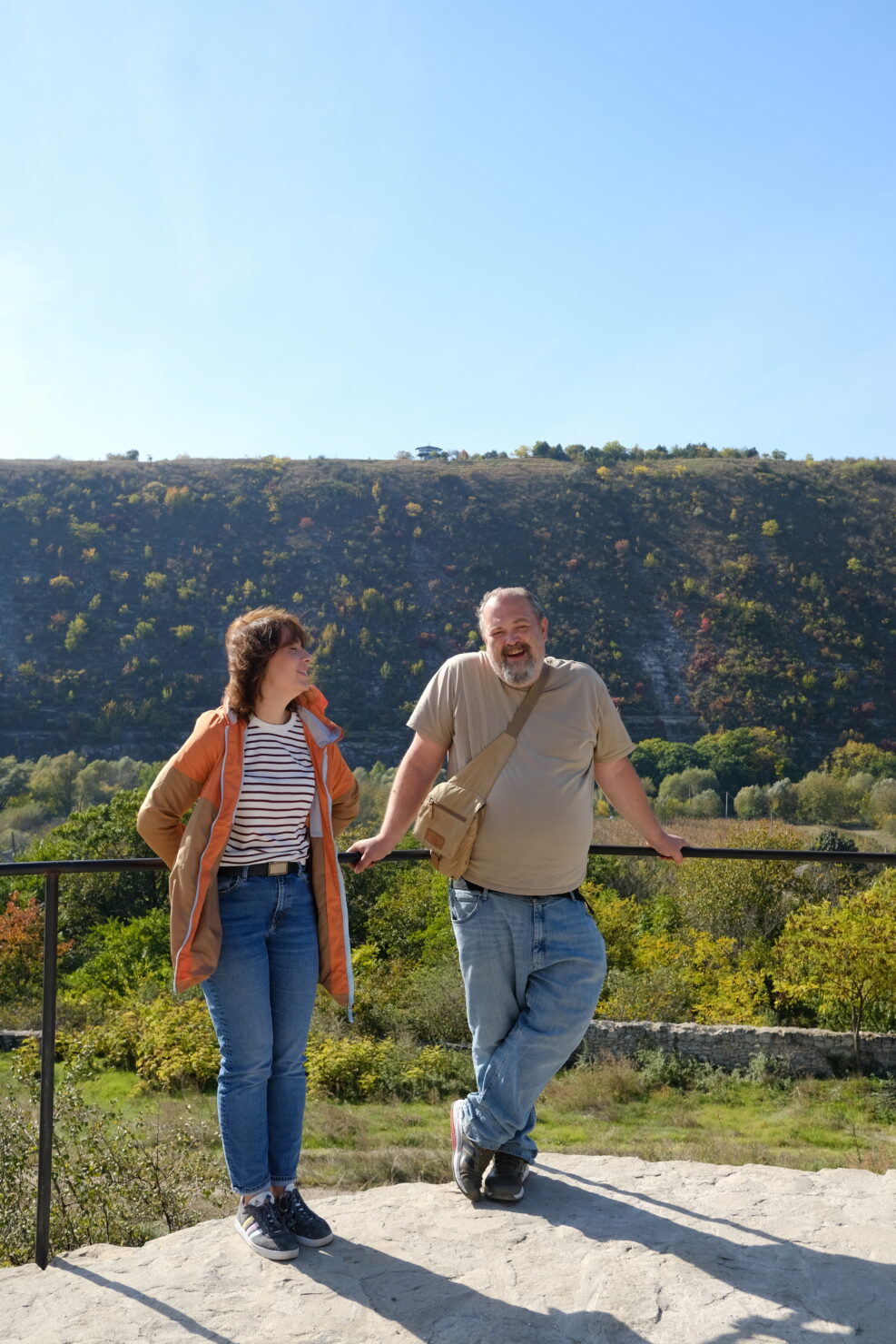
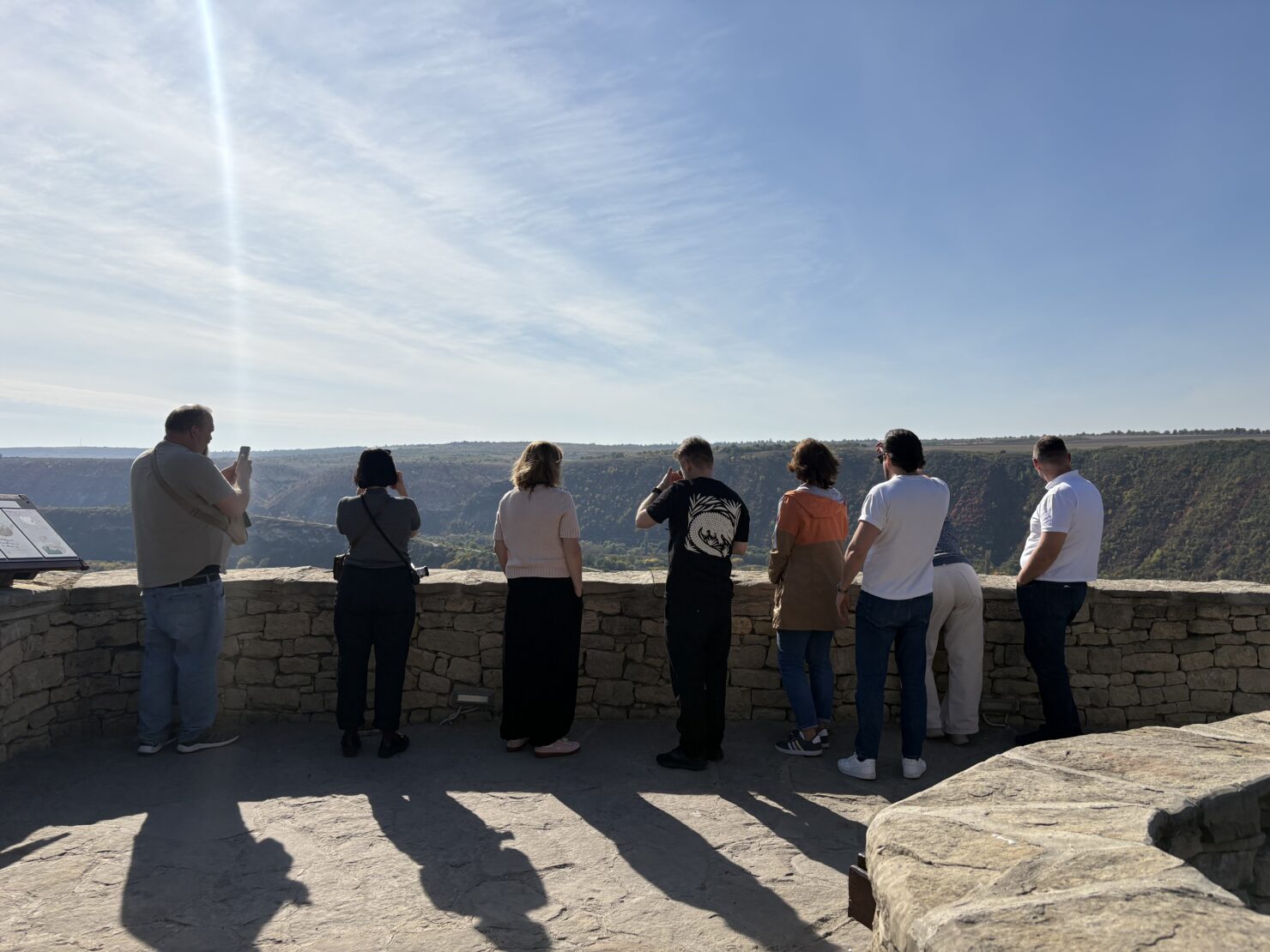
Besides Chișinău (pronounced kee-shi-now, not with an English “ch”), we also visited the smaller town of Orhei and Butuceni nature park. We did a little hiking and walking, and visited a monastery built partly into a cave and underground.
The Moldcell team insisted that Moldova simply doesn’t have mountains. I do see their point, but clearly they hadn’t considered just how flat Estonia is. True, there was nothing like the Alps or the Tatras, but the landscape rose, fell and flowed in a way that was utterly charming to Estonian eyes. In the golden autumn light, it was peaceful and beautiful.
There were certainly mountains of food
We were treated to contrasts at the dining table, too. Lunches tended to be reserved for traditional cuisine, while dinner took us to trendy local restaurants. Both served seriously delicious food.
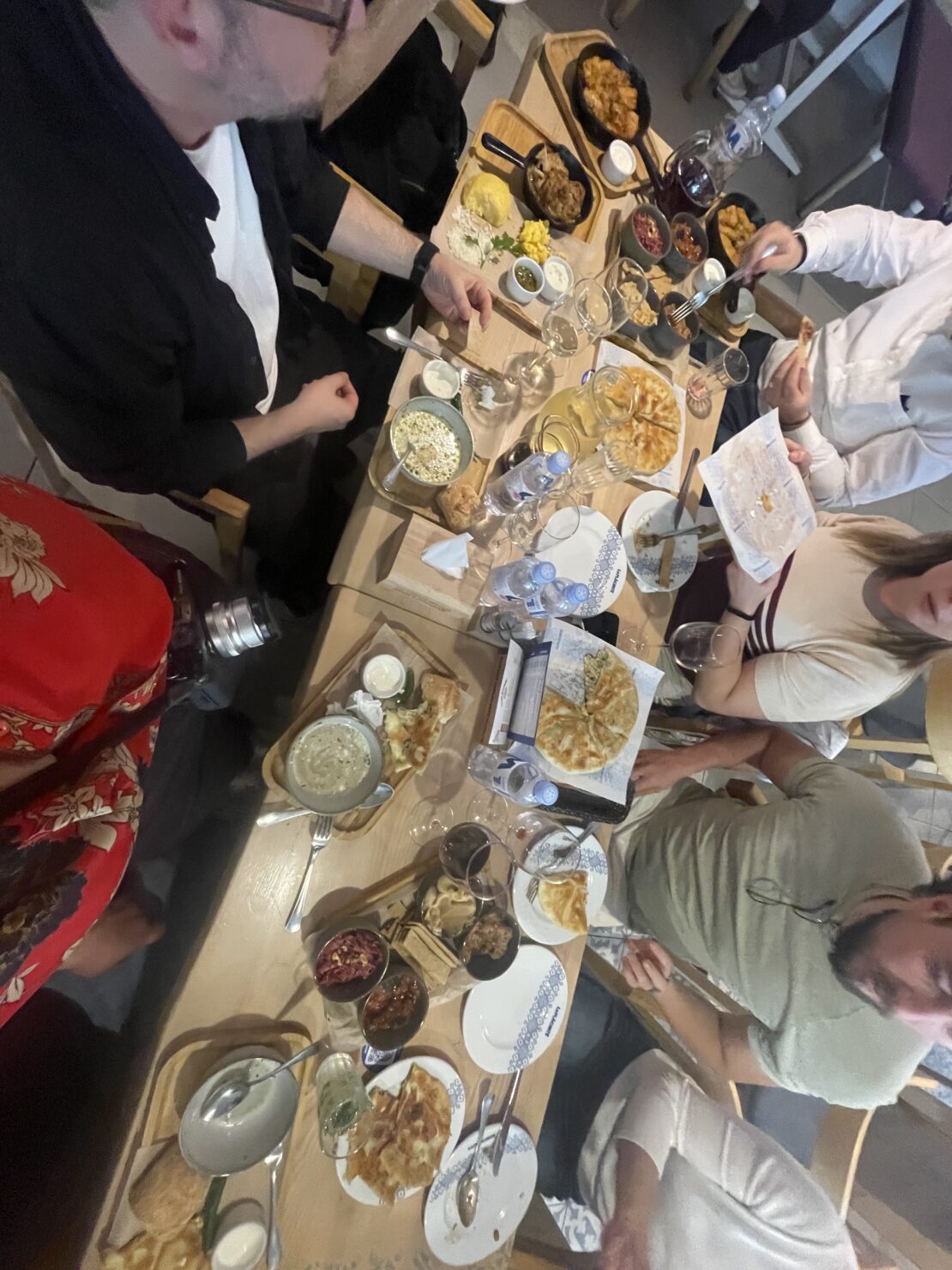
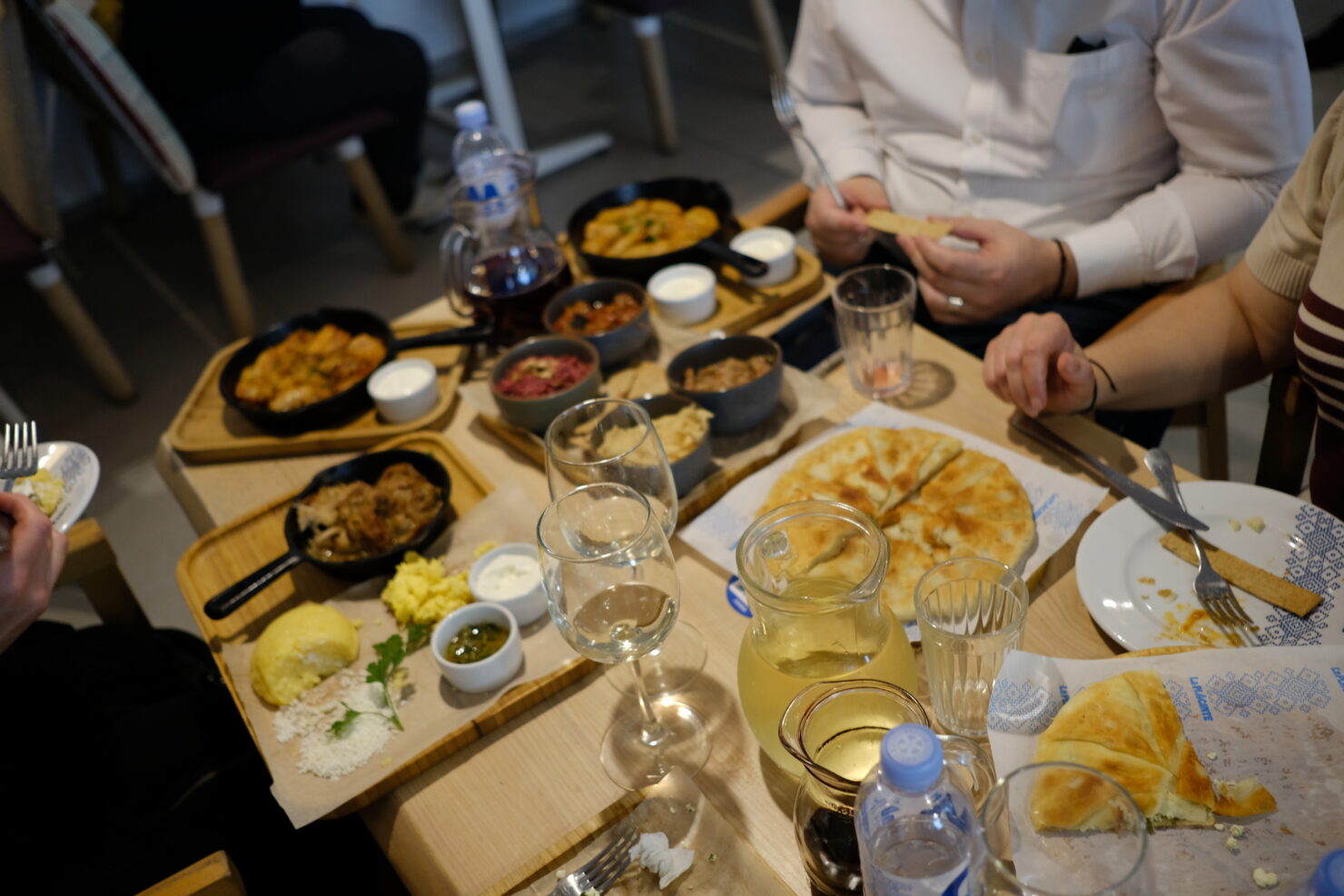
The running joke, and common thread of our trip, became the Great Feast. Over the course of this short visit, I think most of the local delicacies and national dishes made it onto our table.
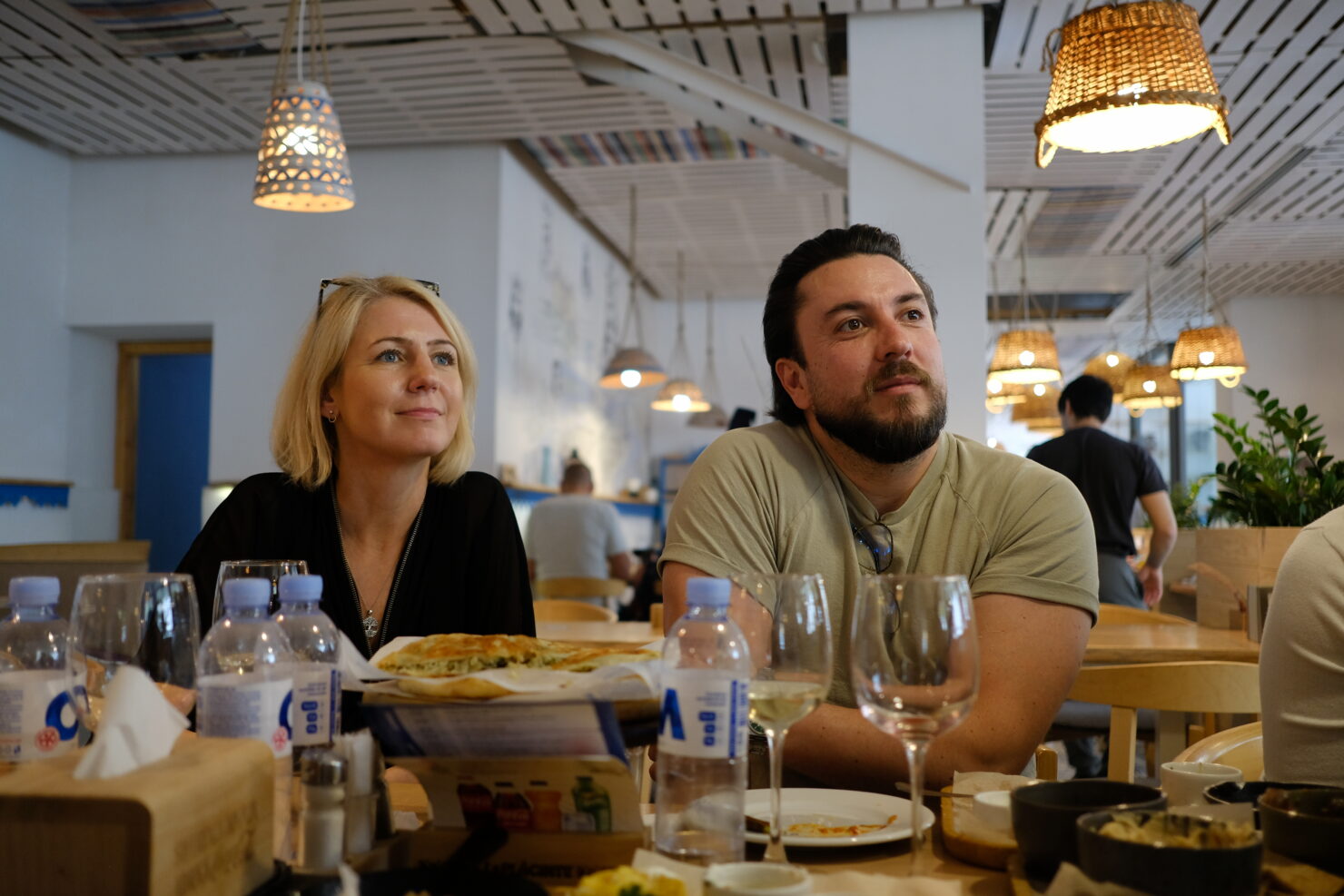
Plăcintă pastries, sarmale — little cabbage rolls — mămăligă, a polenta dish, hearty chicken noodle soup… We got to try all of those at a single lunch, by the way. And that’s not even mentioning the various breads and things to put on them.
After all that, a large platter of chicken cooked in a cast-iron pan appeared. Well then, let’s have a taste of that too. Except it turned out this wasn’t one platter for everyone to sample: it was an individual portion. Each! The food was delicious and the laughs plentiful. Anyone still feeling peckish could start getting ready for dinner a couple of hours later.
A hospitality extravaganza
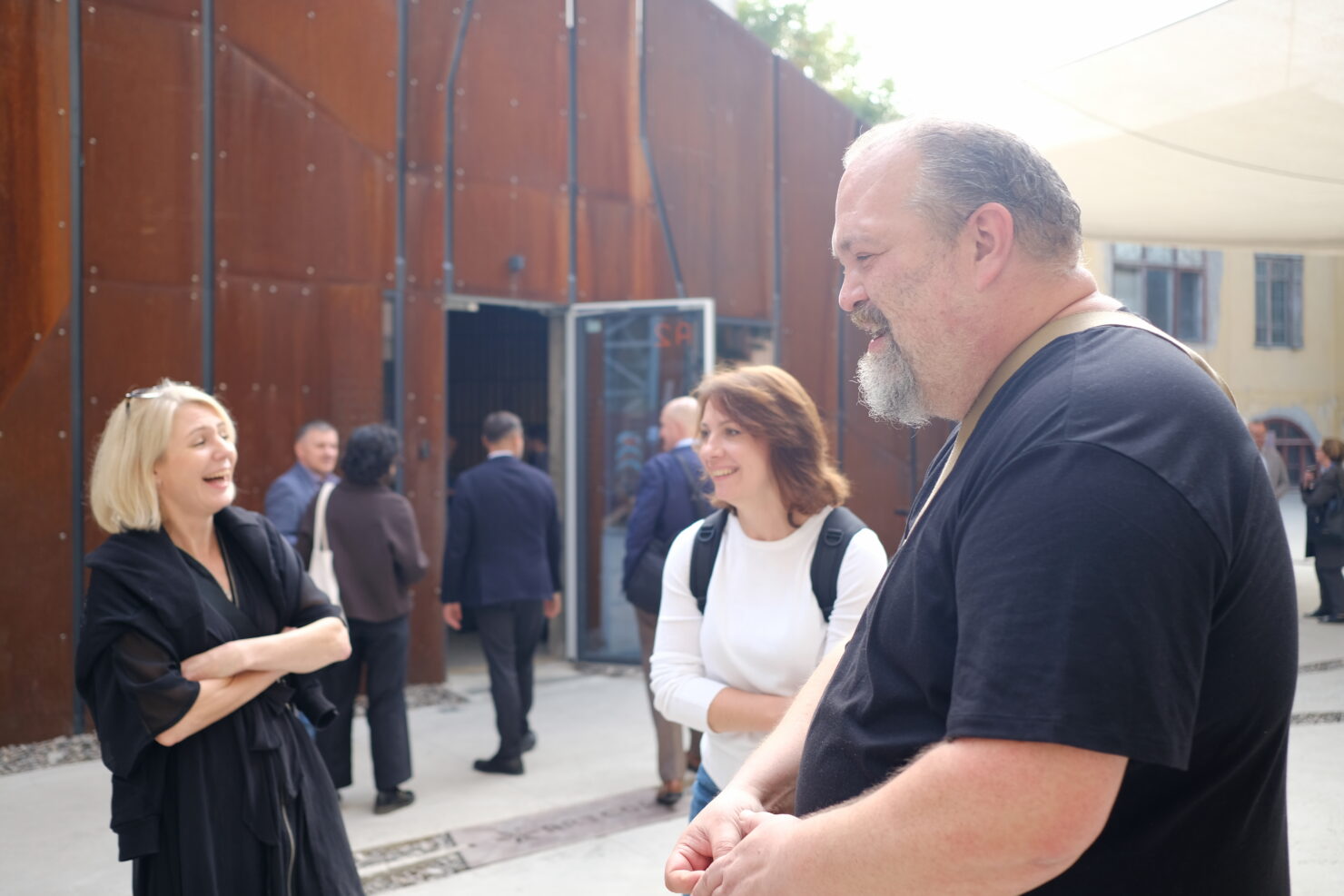
Joking aside, we really weren’t expecting hospitality like this. We were driven everywhere, the itinerary had been carefully designed, and if a walk ran long, someone would look after us with water or coffee. Every question and concern had a solution, often before it had even occurred to us. And it was all done with such warmth and ease that a fun experience became something truly memorable.
Although our hosts described many Moldovans as grumpy and rather closed-off owing to their complicated political background, we saw none of that. Our companions were friendly, but had both feet firmly on the ground. They spoke plainly and honestly, all served with a thoroughly enjoyable helping of dark humour. These are qualities you can’t convincingly fake, which makes them all the more powerful. This trip really will stay with me, and I’m incredibly grateful for it.
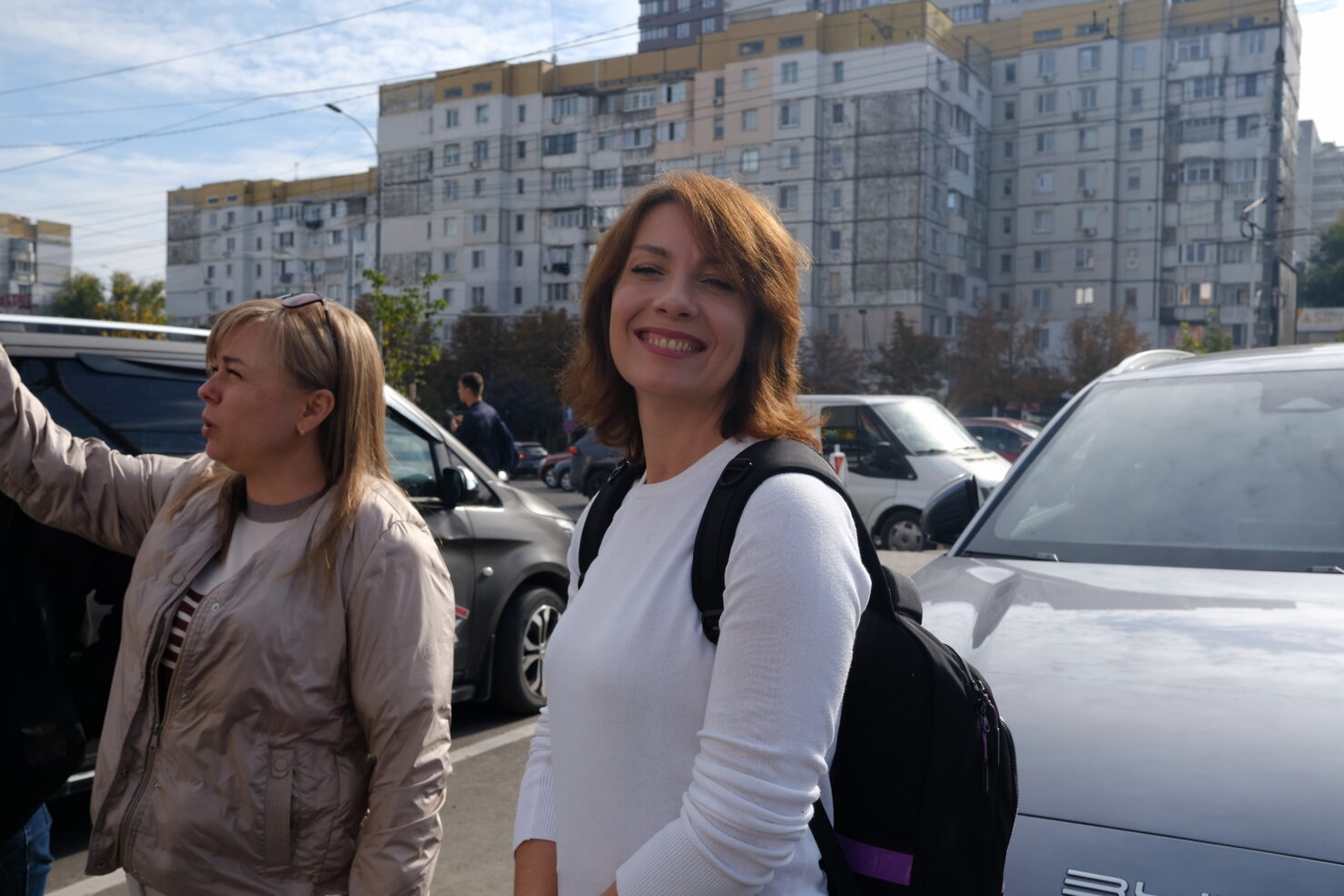
The Estonian invasion
Incidentally, we were delighted to discover plenty of Estonian connections in Chișinău. While we were there, for example, we learned that another Estonian agency also had a project underway with a Moldovan public authority. Alari Orav had recommended them. There was also a security conference taking place, with several Estonians speaking.
A shout-out here to Sven Mikser, with whom we shared our flight home (without introducing ourselves), and whose presentation was apparently the best of the conference. A very good storyteller, according to the first-hand feedback we heard.
All right, then. Hope to see you in Moldova!
And that’s not all. One little bonus story. The Wandering Suitcase
The name Moldcell quickly spawned a Moldcello joke (Moldcello as in limoncello, haha, intellectual humour), so we decided that, alongside the cult book “Fuckapedia”, we should bring along a craft tipple called Moldcello!
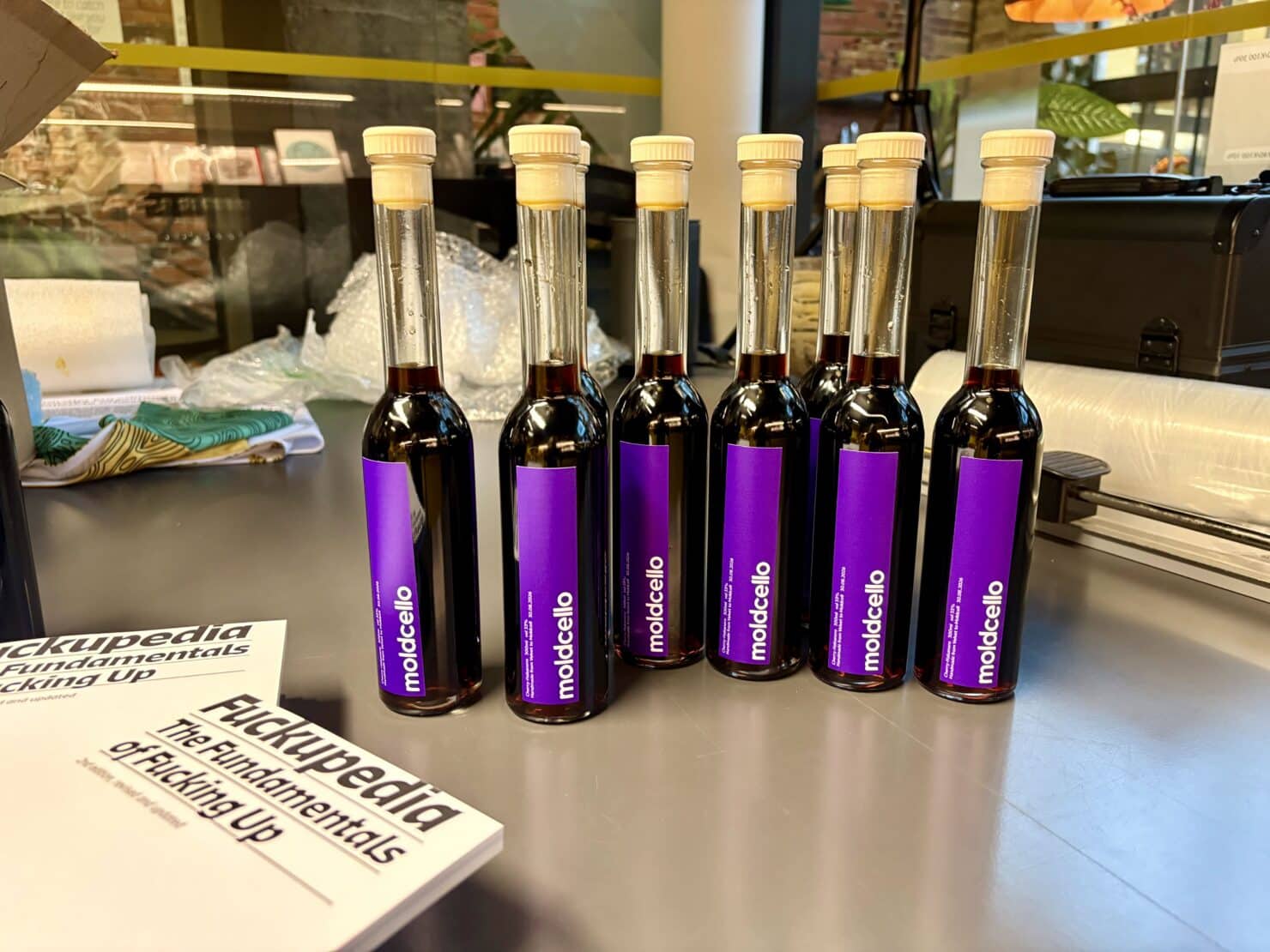
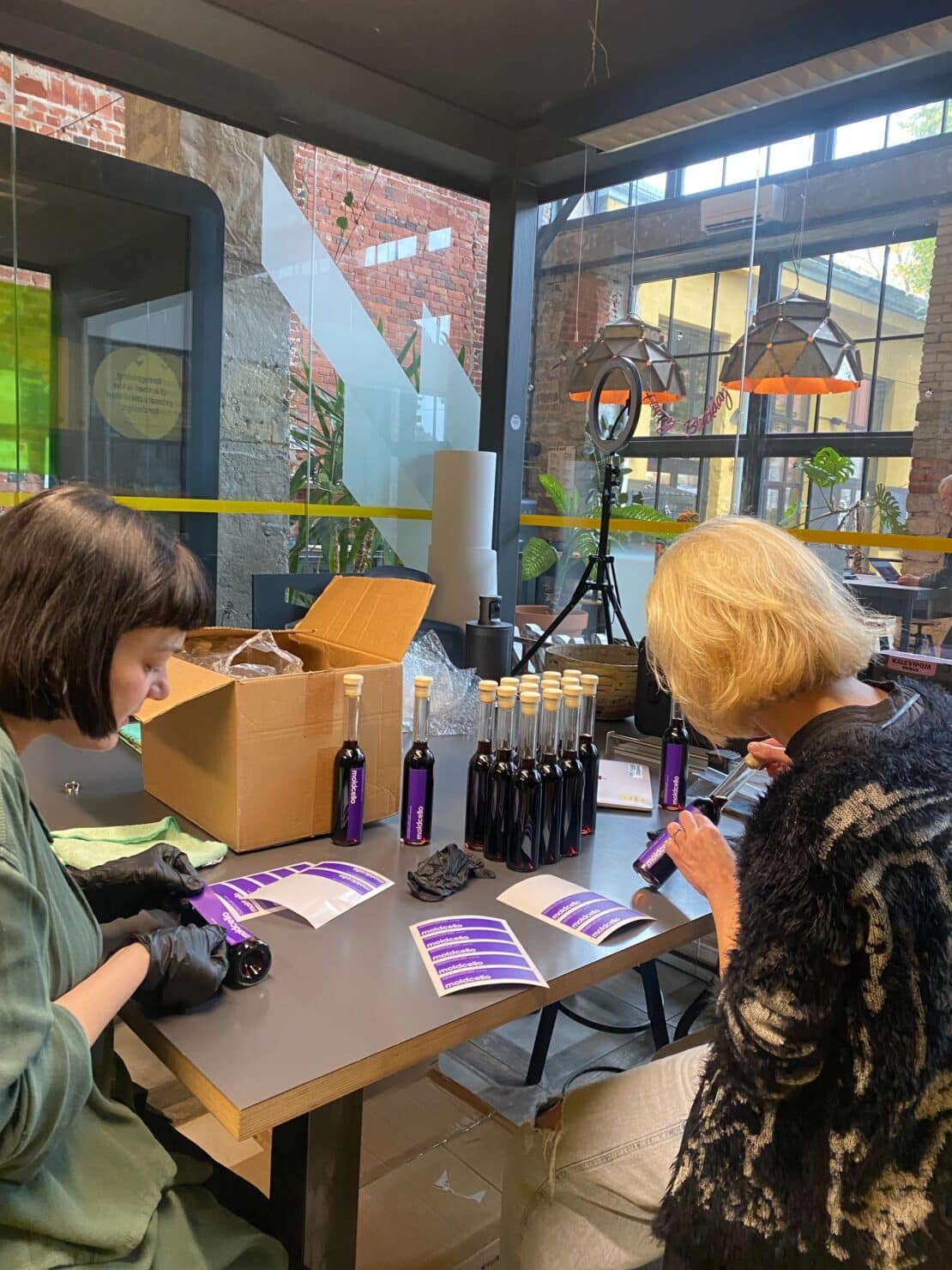
Renowned drinks and design maestro Kaarel Mikkin came to the rescue, bottling a delicious cherry liqueur with a little habanero kick. Naturally, we also designed an on-brand label for the bottle and went to enormous lengths to pack the bottles safely into a carry-on-sized suitcase bought especially for the occasion.
So what happened? After arriving in Chișinău and making it through passport control, we stood helplessly by the baggage carousel for a good 40 minutes. The one thing missing was our suitcase, packed with such care, love and fear.
We went to lost & found and filled in the paperwork. The understanding was that perhaps it would turn up the following day, or arrive on the next flight from Riga the day after that. They’d call us. We hoped. Our host Ekaterina also put in a huge amount of effort, making calls and chasing things up.
From lost to found
The next day came, and the day after that, but the suitcase did not. The messages were confusing, and we concluded that it was probably still in Tallinn. We started wondering whether it hadn’t been allowed through in the first place. It was quite a lot of alcohol, and Moldova isn’t in the European Union. Perhaps it wasn’t allowed, perhaps there was some rule… We were already kicking ourselves for being so stupid.
Then, that evening, Ecaterina sent a picture. “Hey, is this your suitcase?” It turned out that a drunken couple had grabbed it from the carousel and taken it — we can only assume — home. They then realised something was wrong and returned to the airport a couple of days later to look for their own luggage and bring ours back.
The whole thing was so surreal and funny. Makes the gift all the more special. Now that’s a story to go with it.
“What is this? Why am I reading this? I have a life! I simply wanted to know what Velvet does!” Look no further: click!